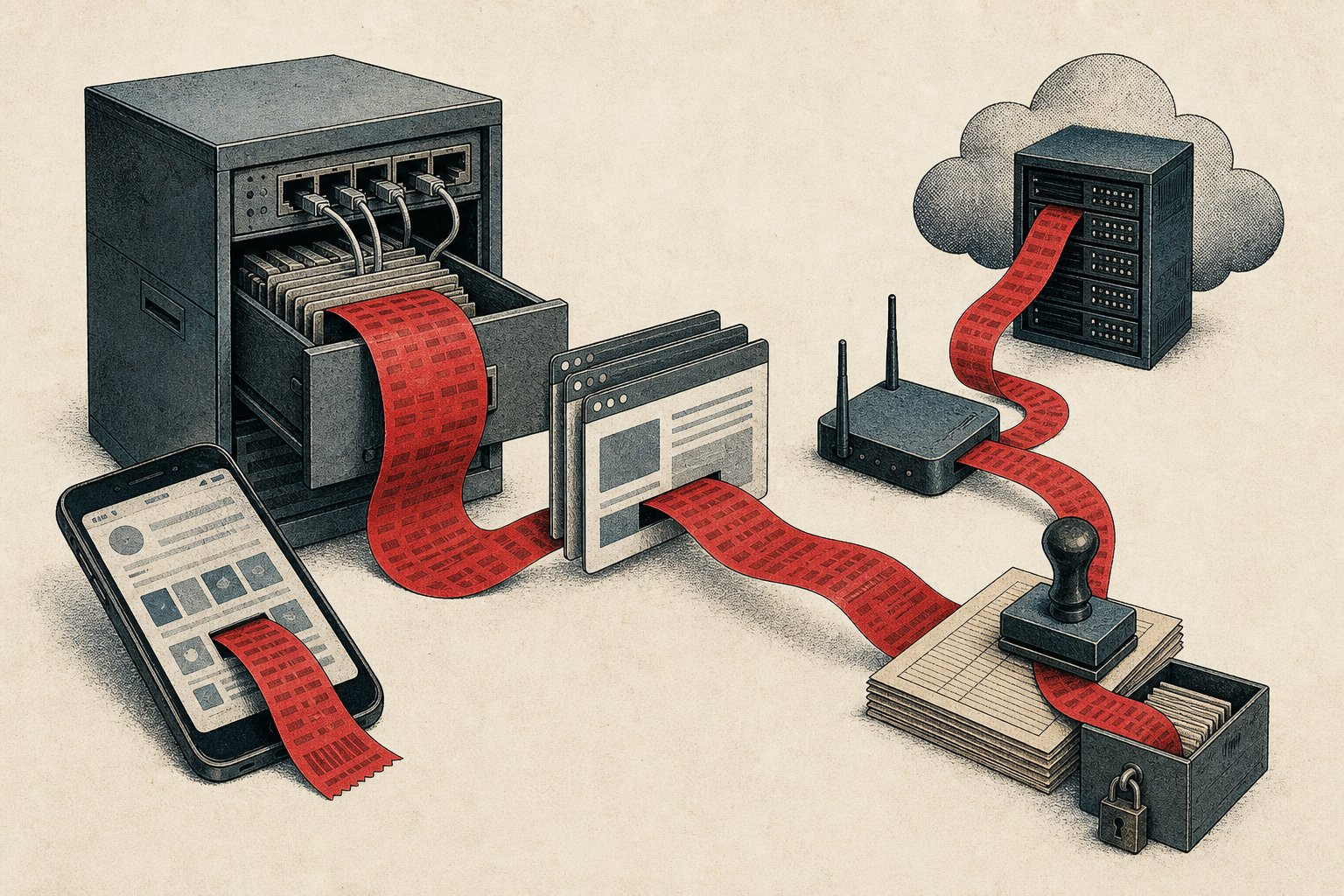
When hardware is sold cheaply and updated constantly, the screen, sensor and account can become more valuable to the vendor than the appliance itself.
A connected product can be useful precisely because it has sensors, a network connection and an update path. Those same components can turn a television interface into an advertising surface or convert ordinary driving into a record of location and behaviour. The ownership question is no longer only whether the device works. It is what the manufacturer can continue to collect, change or sell after the checkout.
In January 2026, the US Federal Trade Commission finalised an order with General Motors and OnStar over allegations that they collected and sold precise location and driving-behaviour data without adequate notice and affirmative consent. The order requires new consent, access, deletion and opt-out routes, and prohibits sharing certain data with consumer reporting agencies for five years.
The device needs a local life
A car, television or home device should retain its core function when an optional cloud feature is declined. Privacy settings should be legible on the product itself, and a customer should be able to distinguish data needed to provide a feature from collection used for advertising, analytics, insurance or product development.
Before buying connected hardware, ask what still works offline, which sensors can be disabled, whether data can be exported or deleted, and what happens when a subscription ends. Those questions are now as basic as checking a warranty.
Sources & further reading
- US Federal Trade CommissionFTC final order involving GM and OnStar connected-vehicle data↗
- Princeton University research paperMeasurement of advertising and tracking on smart TVs↗
Sources establish the reported facts above. Analysis and conclusions are enshit.club’s own.