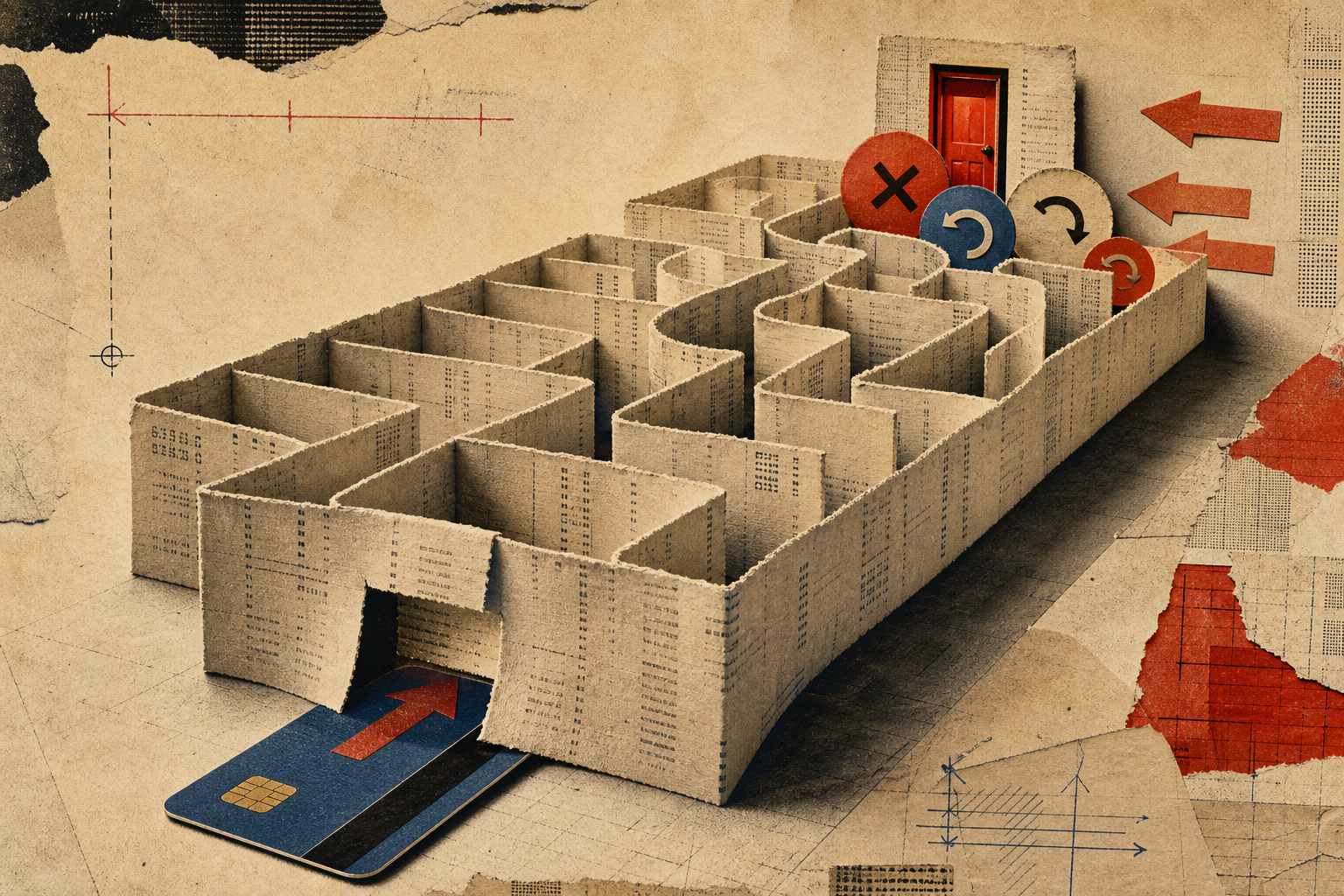
The most effective subscription trap does not feel like a contract. It feels like having a look at dinner.
In December 2025, the ACCC began Federal Court proceedings against HelloFresh and Youfoodz over alleged misleading subscription practices. The regulator alleges customers were told they could cancel online before a stated cut-off, but many were still charged for and sent a first order. The claims have not been determined by a court.
The allegation is striking because it puts a very ordinary action under a microscope: opening a menu. The ACCC says HelloFresh customers were asked for payment details to view and select meals, then entered into an ongoing subscription when they progressed to the meal-selection screens. Many, it says, did not know they were subscribed until a delivery or payment notification arrived.
The first order is part of the contract
A service can make the first box look like a trial, a browse or a tentative step. But if entering card details turns that moment into a recurring contract, the product needs to say so plainly before the customer crosses the line. The same clarity applies to a first cancellation: an account page that says cancelled cannot become a customer-service escalation later.
The ACCC alleges more than 101,000 customers across the two services were charged despite cancelling before the relevant first-order cut-off. Its case is a useful reminder that subscription harm is not always a hidden fee. It can be the gap between what a screen reasonably communicates and what the company has already decided counts as consent.
Sources & further reading
Sources establish the reported facts above. Analysis and conclusions are enshit.club’s own.