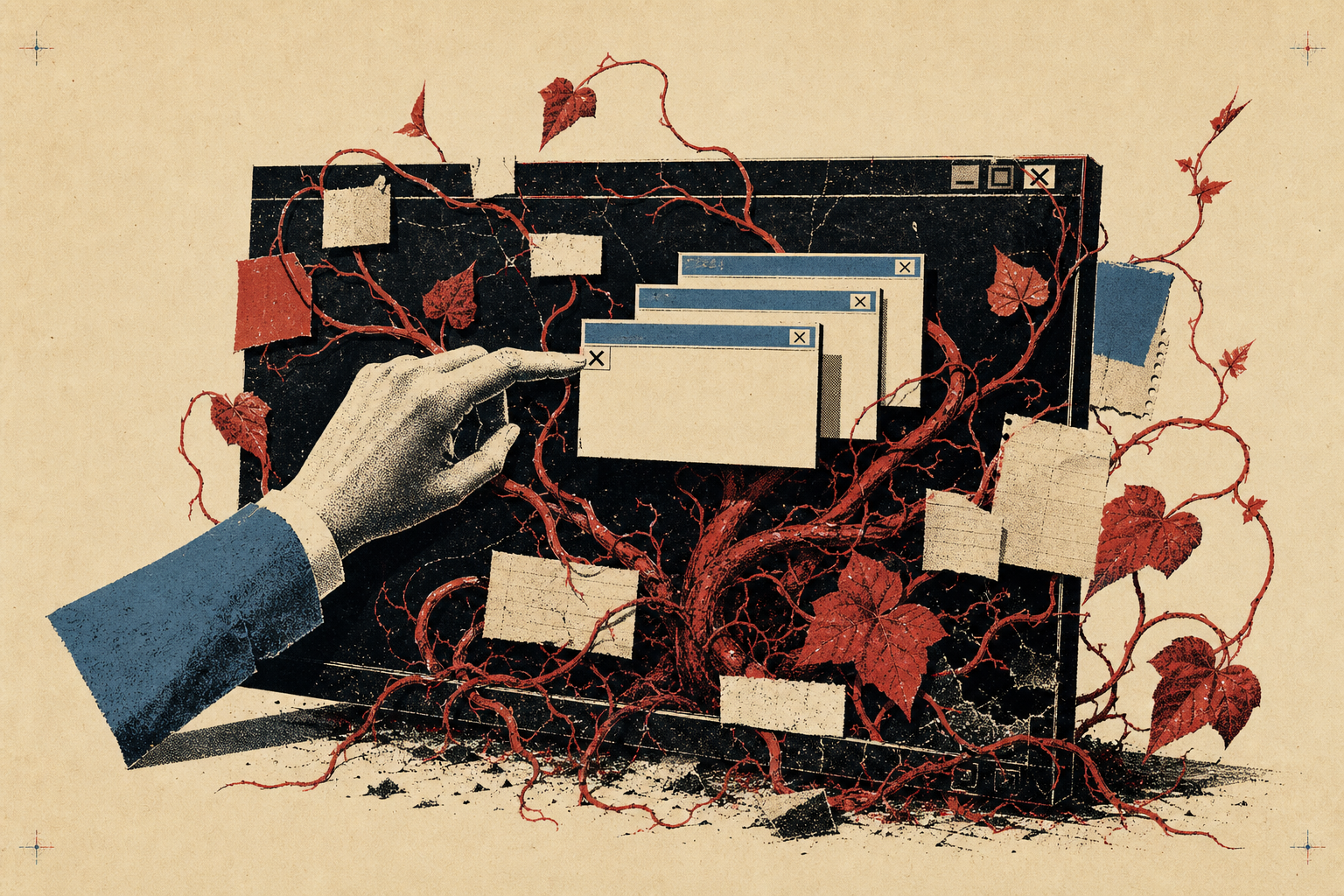
Software becomes harder to replace when every familiar document, meeting and default quietly points to the same vendor.
In May 2026, the UK Competition and Markets Authority opened a strategic market status investigation into Microsoft’s business-software ecosystem. The regulator said it would consider whether Microsoft could use its position to limit customer choice, including through bundling, lack of interoperability and default settings. This is an investigation, not a finding that Microsoft has broken the law.
The scope matters because business software does not operate as a row of separate purchases. Windows, productivity apps, meetings, identity, cloud services and AI features can reinforce each other. Each integration may be useful; together they can raise the cost of choosing an alternative, especially when documents, workflows and administrators are already organised around the incumbent.
Lock-in is often made of ordinary settings
A default browser, a preselected meeting tool or a bundled assistant is easy to dismiss as a convenience. But defaults influence what a team learns, which formats it shares and what it treats as compatible. Over time, that convenience becomes a migration cost paid in retraining, conversion work and lost flexibility.
For organisations, keep a basic inventory of which tools are genuinely required and which are simply the default. Test exports, open standards and alternative clients before a renewal forces the question. The ability to leave is not only a cancellation button; it is the practical ability to carry work somewhere else.
Sources & further reading
Sources establish the reported facts above. Analysis and conclusions are enshit.club’s own.