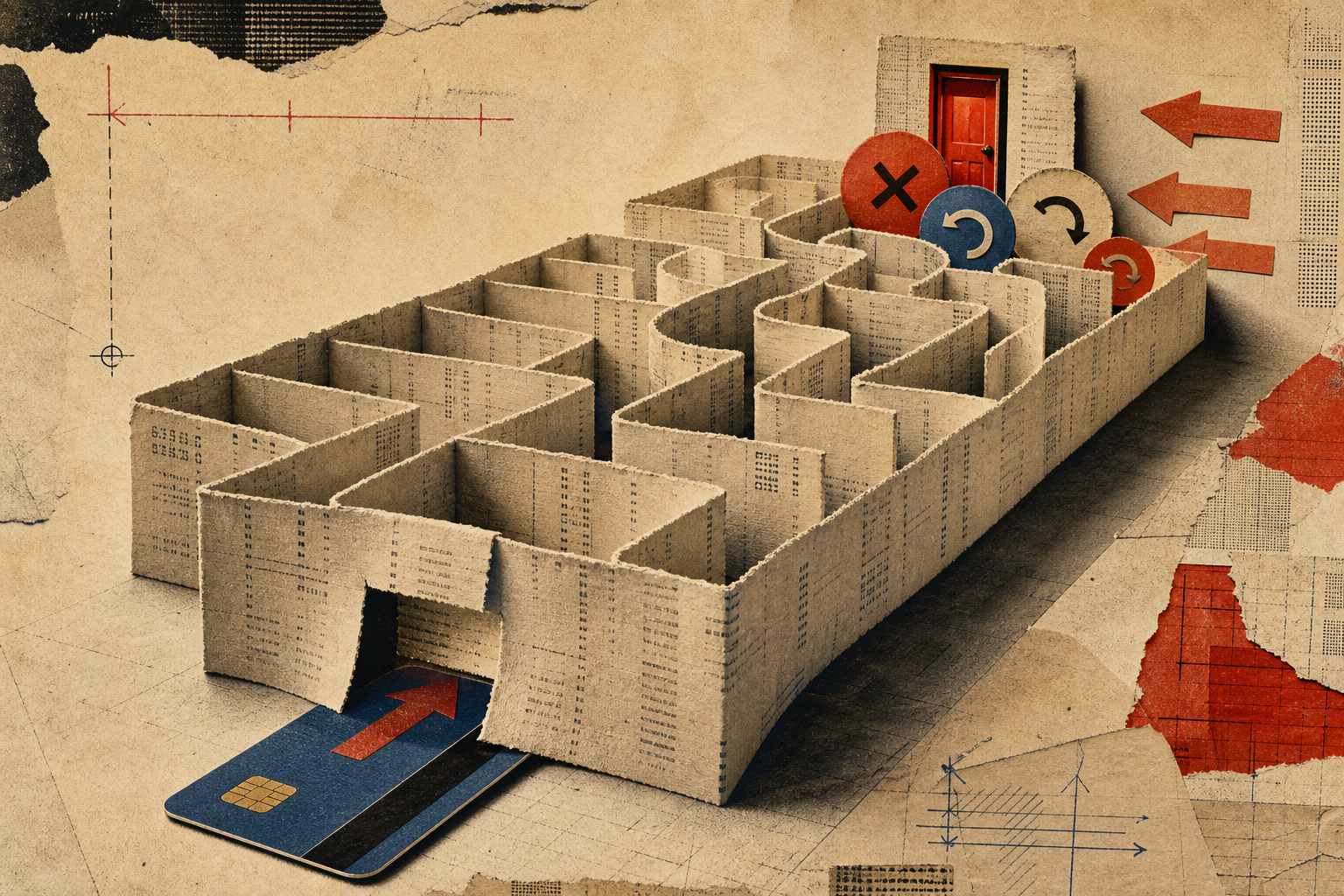
A prompt that plays on the fear of missing a message is not a neutral way to sell a subscription.
In April 2026, the US Federal Trade Commission said NGL Labs and its co-founders agreed to pay $4.5 million to settle charges brought with the Los Angeles District Attorney’s Office. The agencies alleged that the anonymous-messaging app sent messages which appeared to come from real people, then suggested a paid subscription would reveal who had sent them.
The agencies also alleged that many people who bought NGL Pro thought they were making a one-time payment, while the service charged a recurring weekly fee of up to US$9.99 without their knowledge and consent. The settlement is not a finding after trial, but it is a concrete account of the practices regulators challenged and the remedy they secured.
Anxiety is not a billing interface
The product decision was designed around an unanswered social question: who sent this? That can be a powerful moment of curiosity for a young user. Turning it into a payment prompt is one thing; making the sender look real and the recurring charge look like a one-off is another.
For any social app, inspect the total payment rhythm before tapping an upgrade. Save the offer screen and the confirmation email, then check the app-store subscription list as well as the app itself. A cancellation button is not enough if the original consent screen never clearly described the bill that follows.
Sources & further reading
Sources establish the reported facts above. Analysis and conclusions are enshit.club’s own.