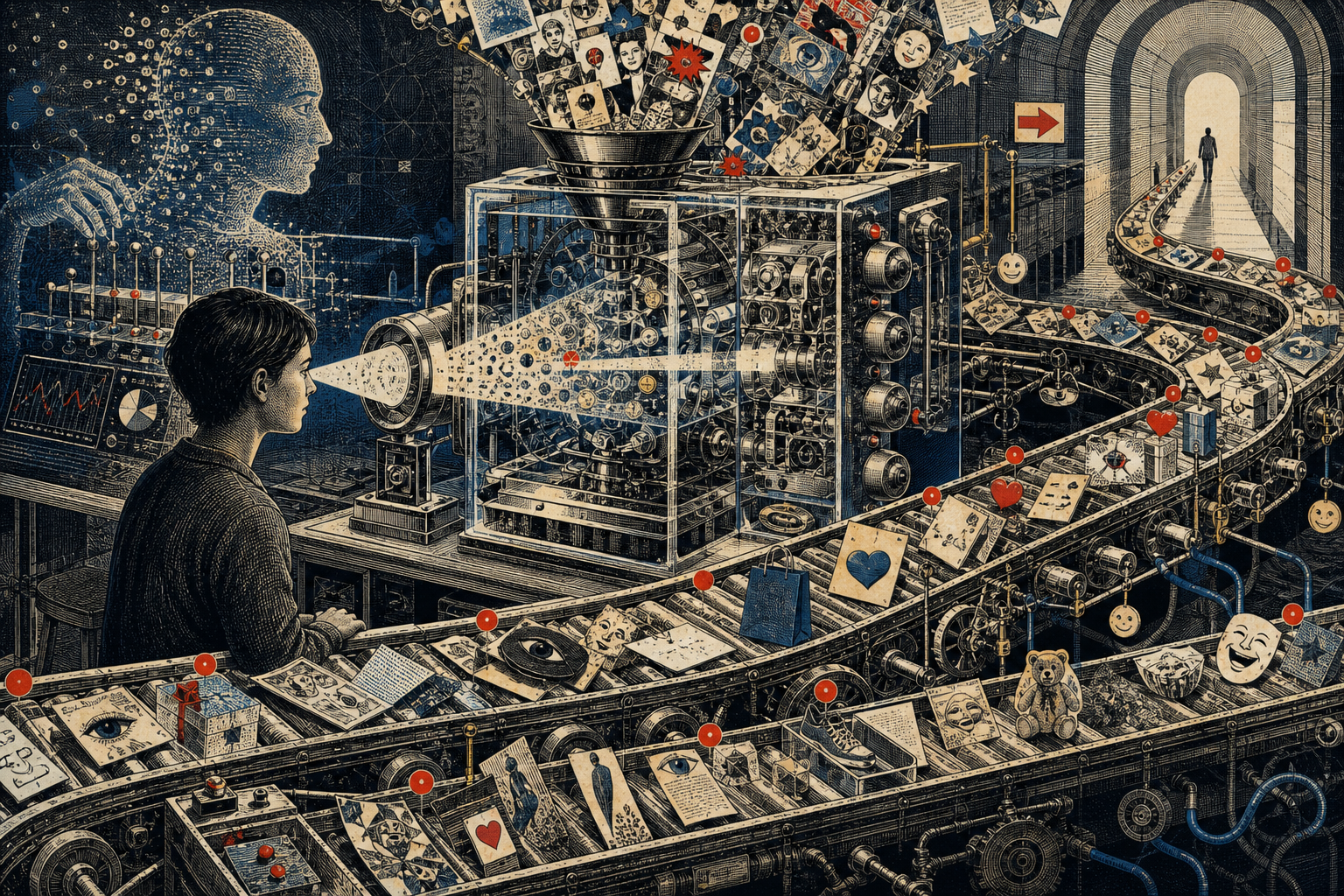
A follow is not the same thing as reach when the intermediary decides which posts arrive and what it costs to be seen.
Early social feeds made a simple promise: the people you chose to follow would be the people you saw. Modern platforms can still deliver that experience, but their commercial systems are built around ranking, recommendations, advertising and engagement optimisation. The relationship between a creator and an audience is therefore mediated by rules that can change without either side’s agreement.
The European Commission’s preliminary finding concerning Meta focuses on the combined effects of infinite scroll, autoplay, notifications and highly personalised recommendations. Its investigation of X and Grok similarly asks whether systemic risks from recommender systems and new AI functionality were properly assessed and mitigated. These are regulatory processes, not blanket findings about every social feature.
Audience portability is an exit right
The practical response is not to pretend social platforms have no value. It is to avoid keeping the entire relationship inside one feed. A website, email list, RSS feed, public archive or interoperable account gives a creator and audience a route around a ranking change.
Platforms should make recommendation controls prominent, explain why material is shown, and give people realistic ways to follow accounts without a profiling-driven feed. A user’s attention is not a neutral raw material when the product is built to keep redirecting it.
Sources & further reading
- European CommissionCommission preliminary findings on Meta’s addictive design↗
- European CommissionCommission investigation into Grok and X recommender systems↗
Sources establish the reported facts above. Analysis and conclusions are enshit.club’s own.