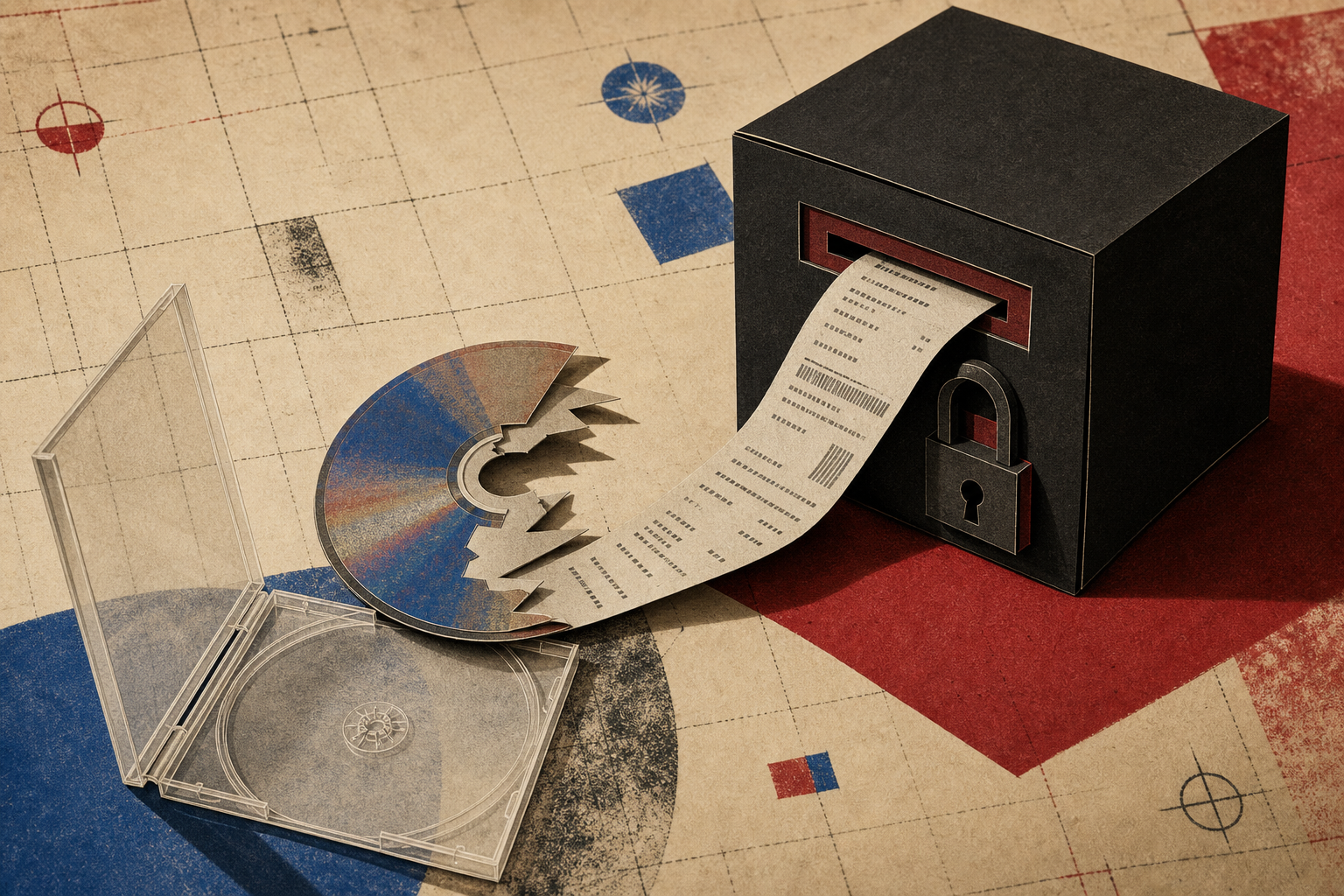
A game sold as a thing can still disappear like a service if the server is the last key.
In June 2026, the European Commission said it would engage with consumers and publishers by the end of the year in response to the Stop Destroying Videogames European Citizens’ Initiative. The initiative asked for rules that would help players keep games playable after publishers stop commercially supporting them.
The Commission said it could not at this stage propose a legal obligation requiring publishers to keep games playable after commercial support ends, citing intellectual-property rights among the considerations. It also pointed to existing consumer-law safeguards, including duties to provide information before sign-up and remedies when digital content or services do not conform with the contract or reasonable expectations.
End of sale is not an end-of-life plan
A publisher can have legitimate reasons to stop operating a live service. That does not answer what happens to the people who bought into a game whose essential function depends on those servers. A durable end-of-life plan might provide an offline mode, community-server tools, a local-only patch or clear advance notice that a service will not survive the shutdown.
Before buying an online-first game, check whether it has an offline mode, whether private servers are supported and what the publisher says about service closure. Keep purchase receipts and notices about shutdowns. They may be useful if the product later fails to match what was described when it was sold.
Sources & further reading
Sources establish the reported facts above. Analysis and conclusions are enshit.club’s own.